
Mau Binh at WW5 is a highly strategic card game popular across Asian gaming communities. Using a standard 52-card deck with 2–4 players, the game requires smart card arrangement, tactical thinking, and the ability to read opponents carefully during every round.
Basic rules of Mau Binh
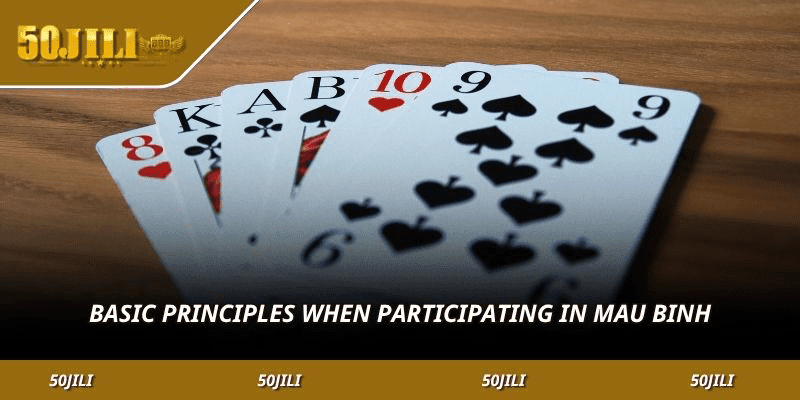
This is a well-known strategy-based card game that focuses heavily on how players arrange and compare their hands. Besides luck in receiving cards, success depends strongly on tactical organization and decision-making.
Number of participants and method of distributing the papers
Mau Binh is usually played with 2–4 participants using a 52-card deck, where each player receives 13 cards. Cards are dealt clockwise until all players hold enough cards, helping maintain balance and randomness throughout the match. Most games are completed within 15–20 minutes, including card arrangement time.
Method of arranging 13 cards into 3 separate sets
The 13 cards must be arranged into 3 separate hands: the bottom hand contains 5 cards, the middle hand contains 5 cards, and the top hand contains 3 cards. The key rule requires the bottom hand to remain stronger than the middle hand, while the middle hand must stay stronger than the top hand.
Hands are ranked using standard card combinations such as high card, one pair, two pairs, three of a kind, straight, flush, full house, four of a kind, and straight flush. Many experienced players prioritize building the strongest possible bottom hand because it often determines the final outcome.
Cases of winning in Mau Binh
Special automatic-winning combinations appear rarely but can generate very large rewards. These include combinations such as multiple pairs, special straights, or powerful full-hand structures.
One of the rarest situations is achieving a straight flush in the lower hand, which usually gives an overwhelming advantage. Some advanced combinations appear extremely infrequently but can instantly secure victory once revealed.
How to calculate points in Mau Binh
Points are calculated based on the result of comparing each hand between players, with separate scoring systems for the bottom, middle, and top hands.
How to compare and contrast each set of hands between players
Each player compares all three hands against opponents. The bottom hand usually carries the highest value, followed by the middle hand and then the top hand. Because of this, creating a strong bottom hand often becomes one of the most important strategic priorities.
Hand strength follows the standard ranking system, where stronger combinations defeat weaker ones. Winning all three hands against an opponent usually creates a major scoring advantage and can completely change the momentum of the game.
Rules for adding and subtracting points
In Mau Binh , each winning hand awards points while losing hands deduct points. The bottom hand generally provides the highest score, followed by the middle and top hands.
Additional multipliers may apply to stronger combinations such as straight flushes, four of a kind, or full houses. These bonus systems help create more dramatic score swings and reward players who build advanced hand structures successfully.
How to deal with a broken army or a total loss
A broken hand occurs when players arrange their cards incorrectly, causing the top hand to become stronger than the middle hand or the middle hand to become stronger than the bottom hand. When this happens, the player automatically loses the round and often receives heavier penalties.
Heavy losses may also occur when opponents hold special high-ranking combinations. Because of this, many experienced players prefer safer card arrangements that reduce the risk of broken hands and minimize extreme losses during difficult rounds.
Conclusion
Mau Binh is more than a traditional card game because it combines tactical arrangement, observation, and strategic thinking into one competitive experience. With balanced gameplay and dramatic scoring mechanics, the game continues attracting players who enjoy skill-based card entertainment at WW5 .